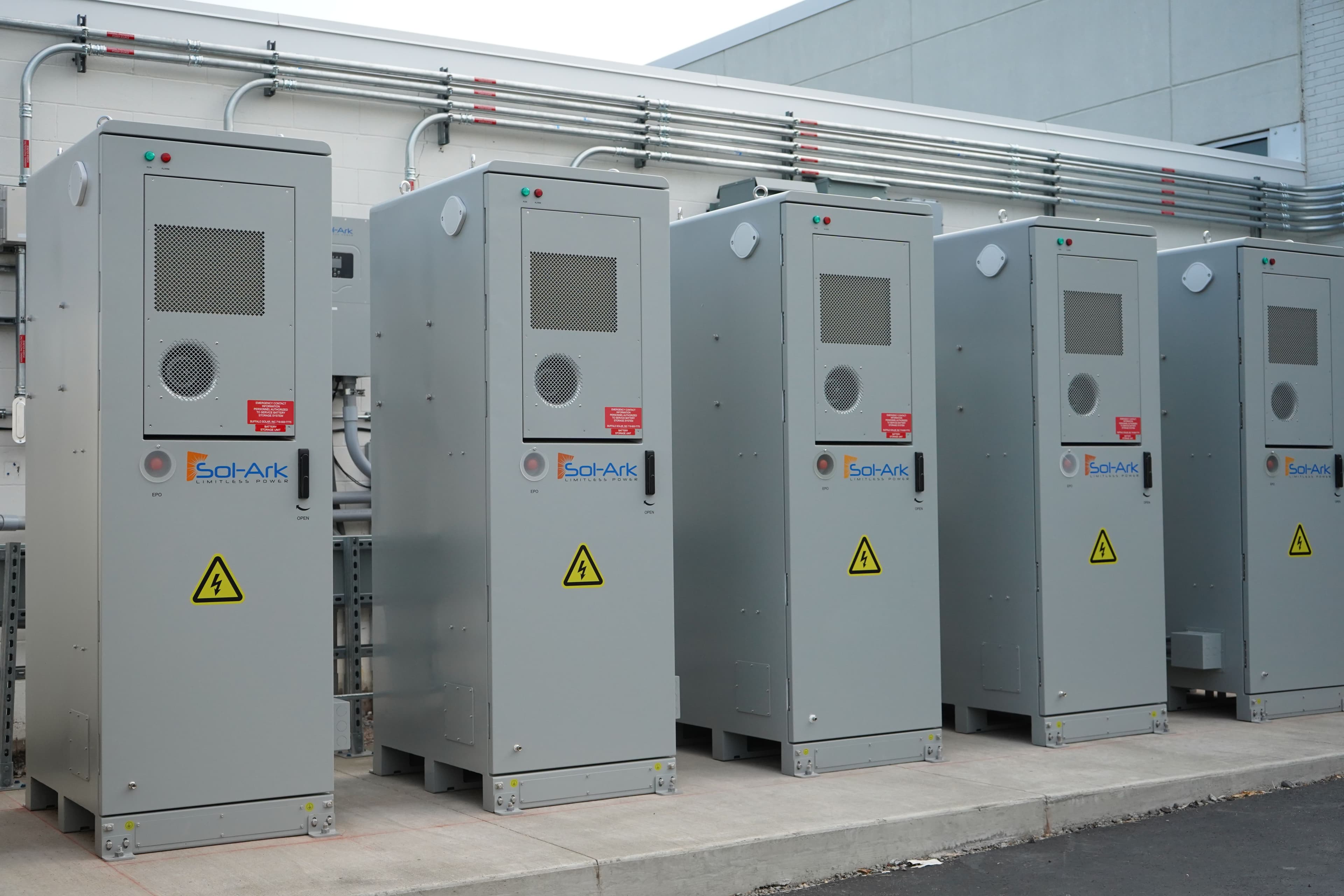
In 2026, the conversation around commercial energy has shifted. It is no longer about "going green" for PR points; it’s about insulating your business from volatile grid prices and predatory demand charges.With the global battery storage market projected to exceed $300 billion by 2035, the early adopters of 2026 are locking in the highest possible returns. For commercial facilities, the combination of solar PV and Battery Energy Storage Systems (BESS) is the most potent financial tool available for modern operational management.
1. Beating the July 4th Deadline: The Federal Landscape
The most critical factor for B2B solar in 2026 is the One Big Beautiful Bill Act (OBBBA). This legislation has created a definitive window for maximizing incentives.
- The 30% Investment Tax Credit (Section 48E): To lock in the full 30% credit, commercial projects must begin construction by July 4, 2026. * 100% Bonus Depreciation: The OBBBA has permanently reinstated 100% one-year depreciation for commercial energy systems. This allows businesses to deduct the full cost of the system in the year it’s placed in service.
- Domestic Content Adders: Projects utilizing at least 40% U.S.-manufactured components can qualify for an additional 10% bonus credit, potentially bringing the total federal subsidy to 40% or more.
2. Eliminating Demand Charges via "Peak Shaving"
For most industrial and commercial users, up to 50% of the monthly utility bill isn't for the energy used—it’s for the intensity of that use. "Demand charges" are based on your highest 15-minute window of consumption.
How Battery Storage Solves This: Using AI-driven energy management, your BESS performs Peak Shaving. When your facility’s load spikes (e.g., heavy machinery startup or HVAC cycling), the battery discharges instantly. By "clipping" these peaks, the battery prevents the utility from seeing a high demand surge, often saving thousands of dollars per month on a single meter.
3. Load Shifting and Energy Arbitrage
Utility companies in 2026 have moved almost exclusively to aggressive Time-of-Use (TOU) rates. Electricity is cheap at 10:00 AM but can triple in price by 5:00 PM.
Commercial storage allows for Load Shifting:
- Charge: Fill the batteries when solar production is high or grid rates are at their "off-peak" lowest.
- Discharge: Power the facility using stored energy during "on-peak" hours.
- Result: You are effectively buying energy at wholesale prices and using it when the retail price is at a premium.
Is your facility ready to decouple its profit margins from utility rate hikes?
Follow us on Instagram and LinkedIn for more commercial solar case studies, project videos, and clean energy insights.